Partner Estates

Karadykan Estate

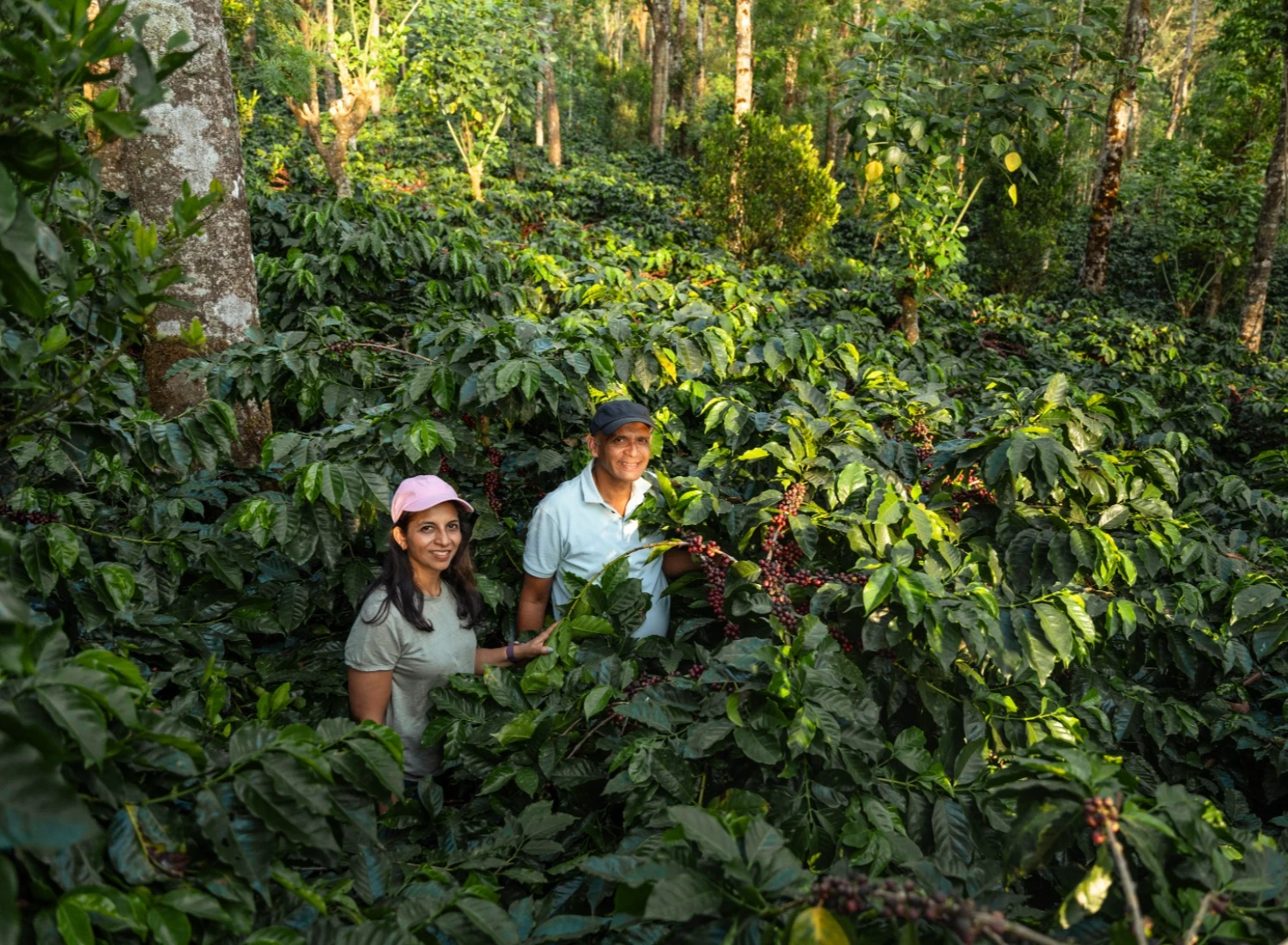
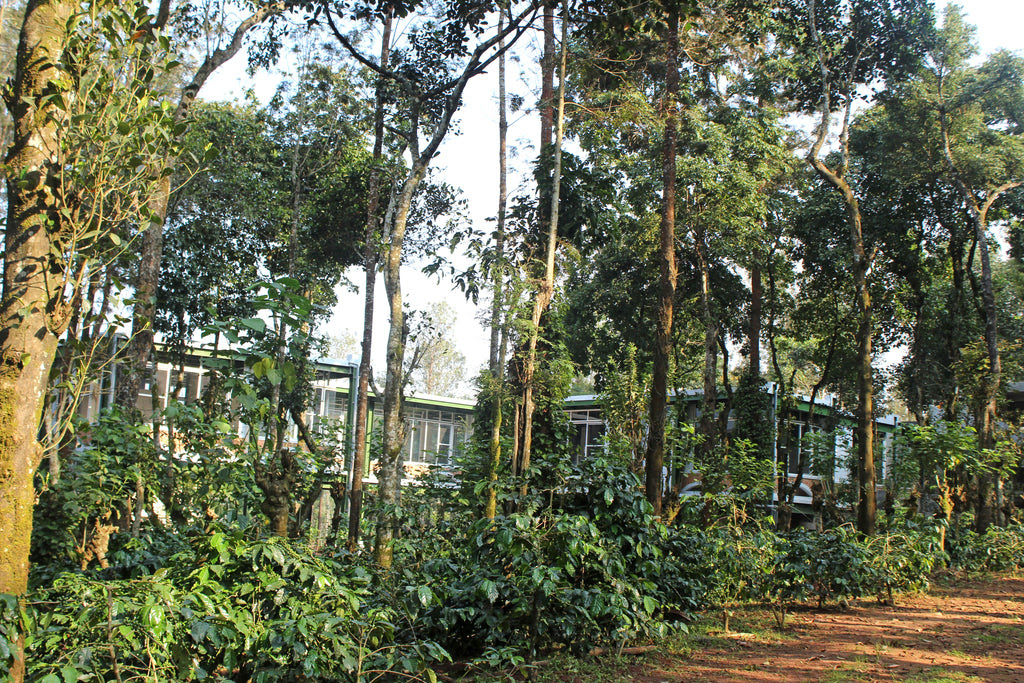
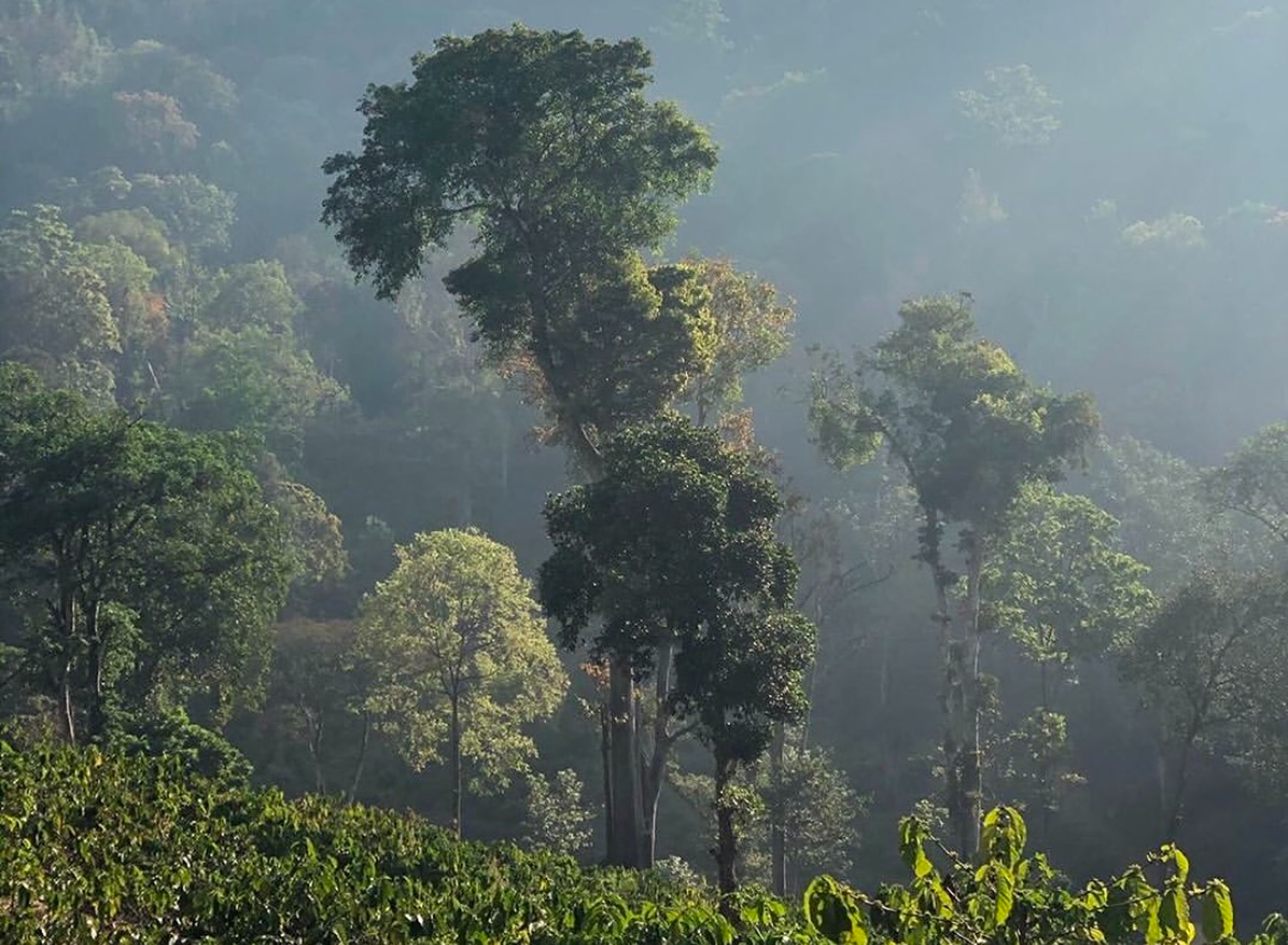
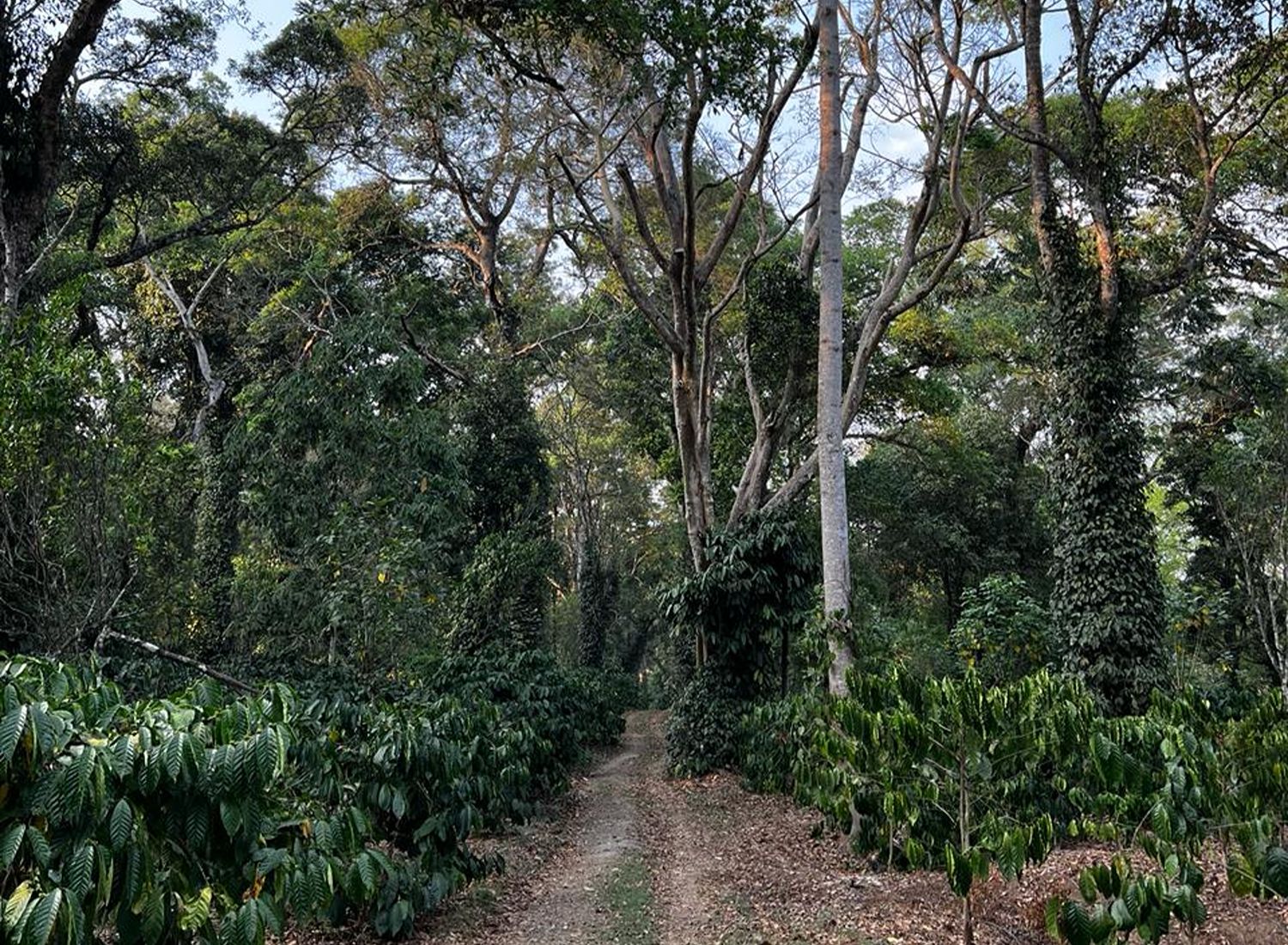
Nestled in the Baba Budan Giri region of Chikmagalur, Karnataka, Karadykan Estate spans over 320 hectares at an elevation of 1200–1400 MASL. Surrounded by three hills and nourished by natural springs, the estate is often referred to as “Trishul.” It receives around 100 inches of annual rainfall and thrives in a rich biodiversity that includes Indian gaurs, spotted deer, and native flora like pepper, areca nut, and fig trees.

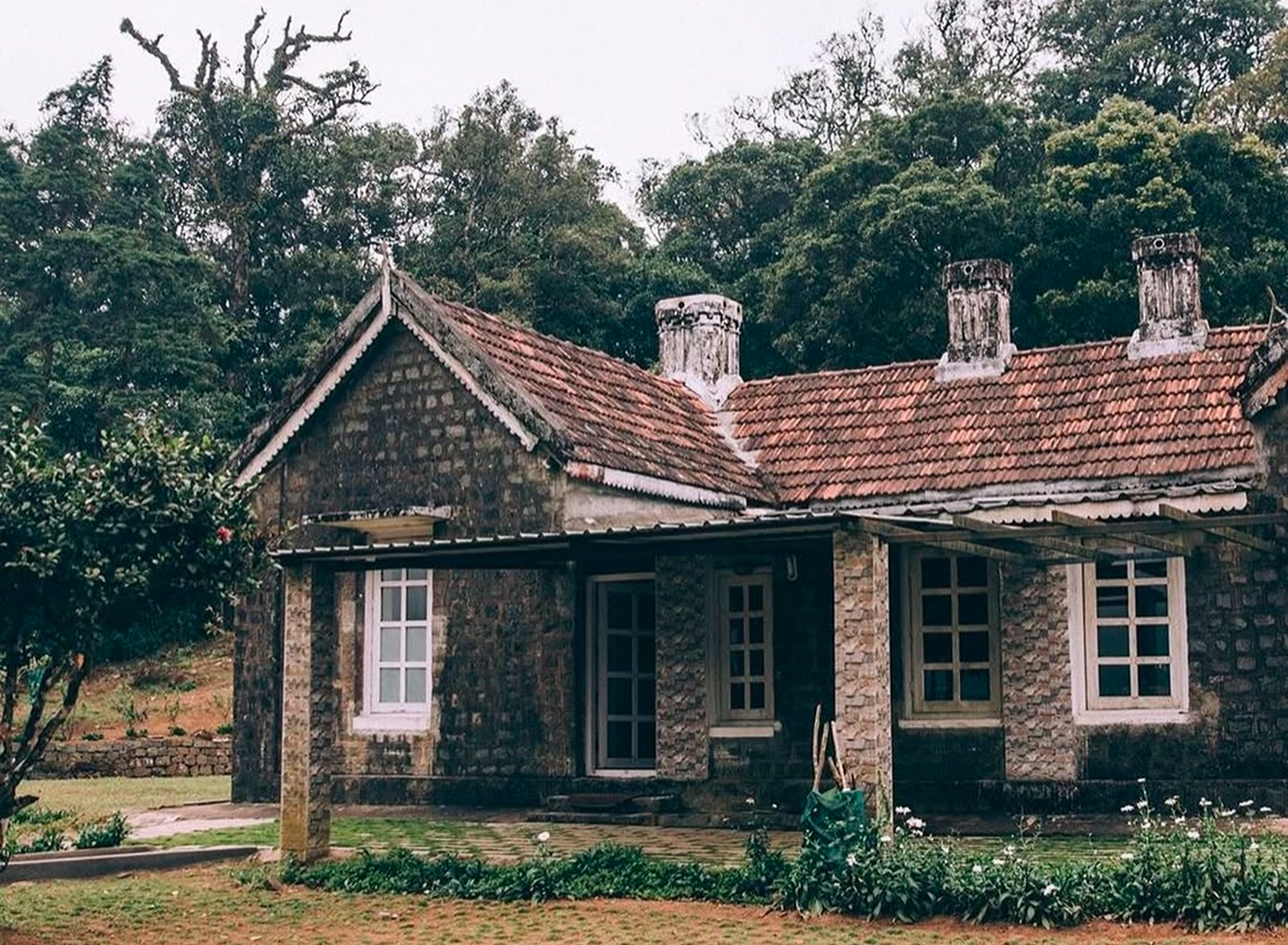
Originally established in the early 1900s by Charles and William Crawford, Karadykan became part of Sangameshwar Coffee Estates after independence, under the stewardship of Shri K.S. Vaidyanathan. Today, it is managed by third-generation planters Mr. S. Appadurai and Mrs. Hamsini Appadurai, who are known for their hands-on approach and deep commitment to quality, sustainability, and ethical production.

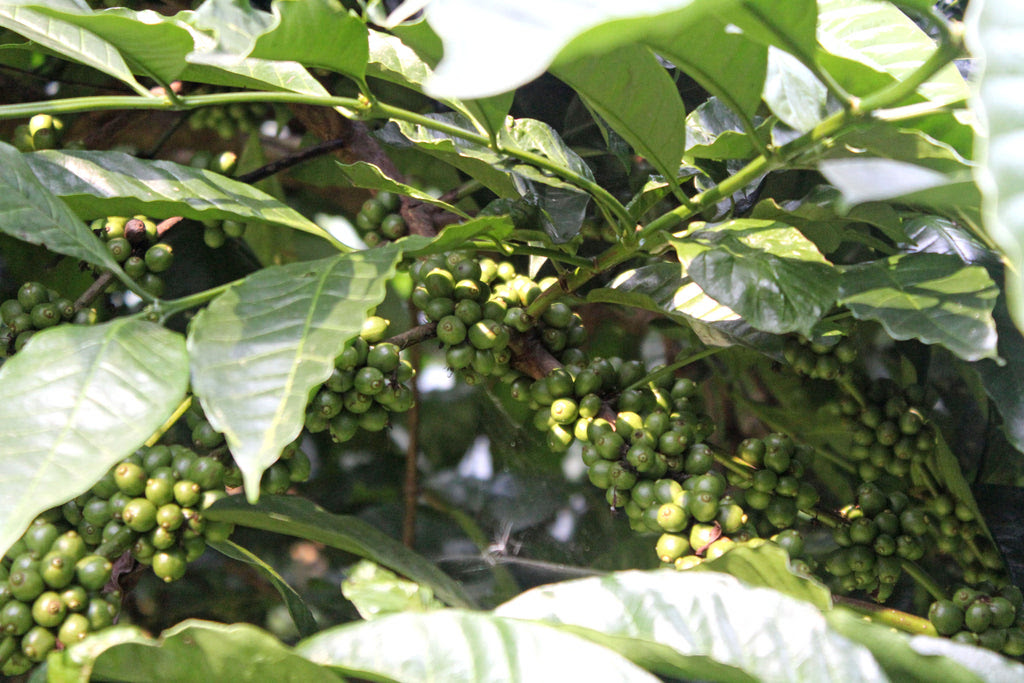
The estate cultivates a diverse mix of Arabica (Sln 9, Sln 795, HDT x Catuai, Chandragiri, Catimor), Canephora (Peradeniya, CxR, Sln 274), and Liberica, with an emphasis on selective harvesting and traceability. The Appadurais introduced practices such as multiple rounds of ripe cherry picking and lot-wise separation to ensure peak flavour and consistency.

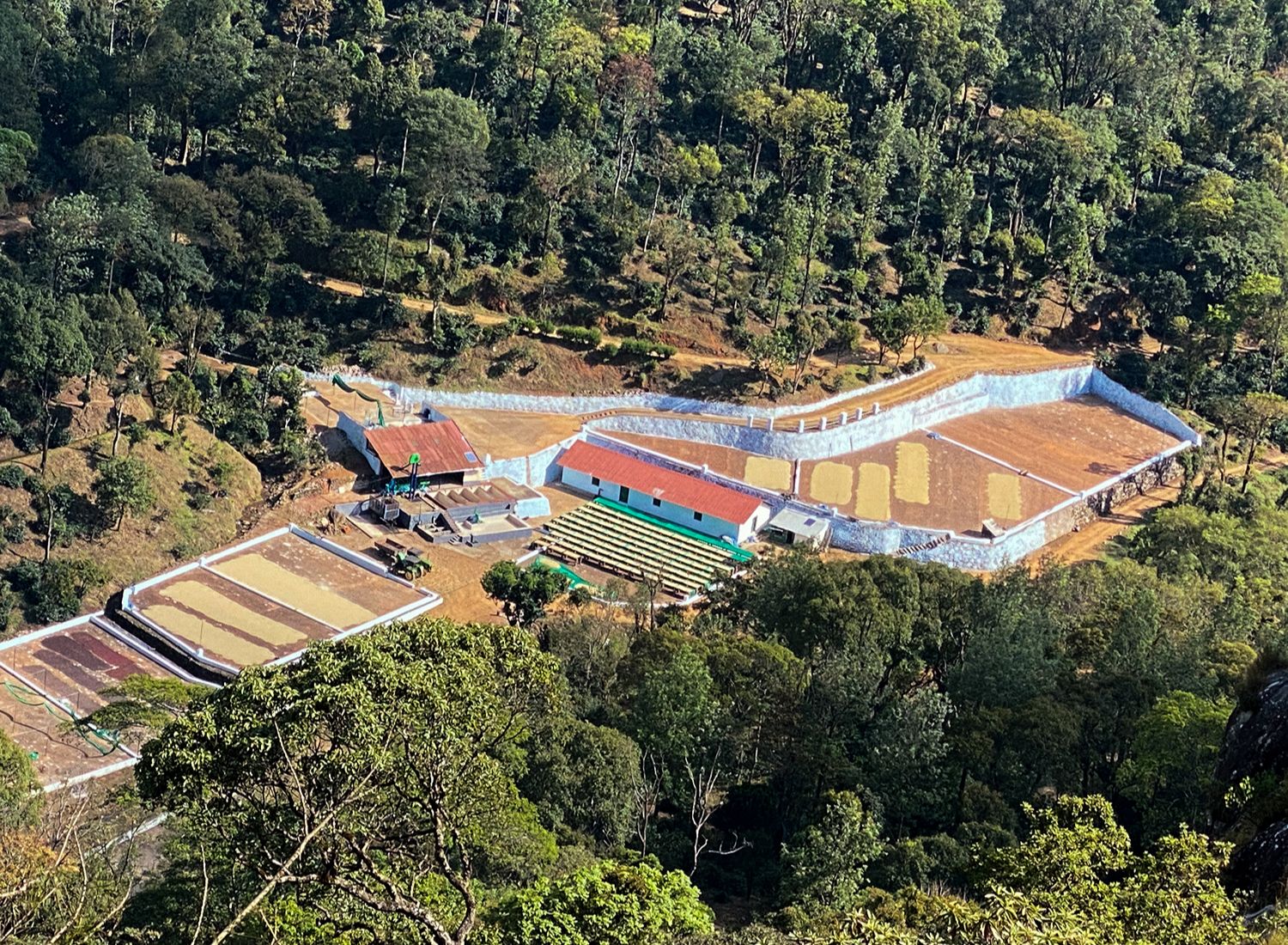
Karadykan also reflects the Sangameshwar ethos of social responsibility. The estate includes a 20-bed hospital, a day-care facility, and permanent housing for over 75 resident families. Its heritage wet mill is powered by a century-old 12-foot water wheel, generating hydroelectricity used for coffee pulping.

As part of Sangameshwar Coffee Estates — pioneers in Indian specialty coffee — Karadykan stands out not just for its cup quality, but for its holistic approach to farming, people, and land. With additional post-harvest processing carried out at Lakshmi Curing Works in Hassan, Karadykan offers full control from farm to cup, delivering coffees that are both traceable and exceptional.

Ratnagiri Estate

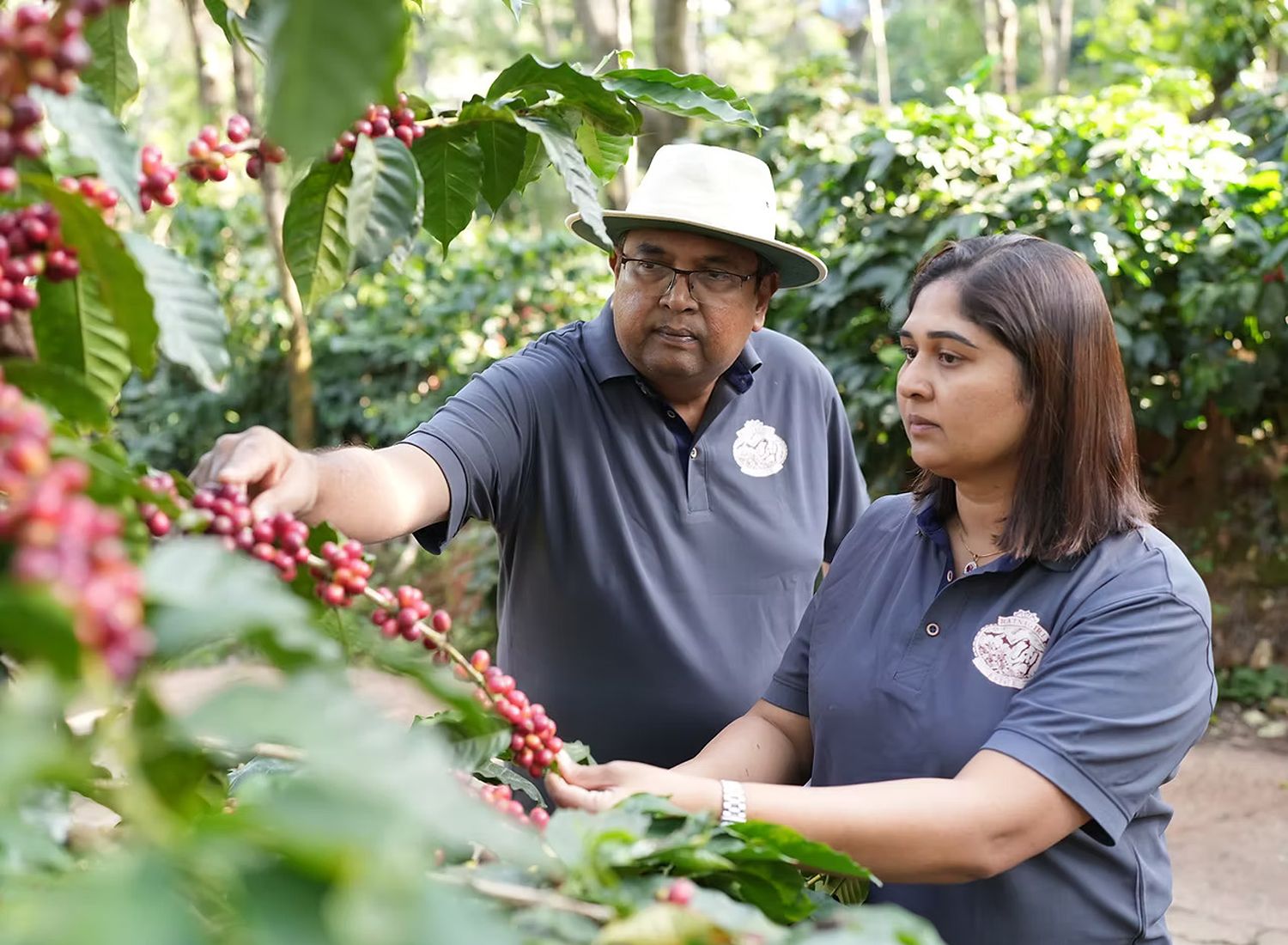
Located in the biodiverse hills of the Western Ghats near Bababudangiri, Ratnagiri Estate is a Rainforest Alliance-certified coffee farm renowned for producing some of India’s finest specialty coffees. Established in 1927 by Patre K. Shivappaiya, the estate has been carefully passed down through three generations of the Patre family, who continue to uphold a legacy built on quality, sustainability, and innovation.

Today, Ratnagiri is led by Mr. Ashok Patre, a pioneering figure in Indian specialty coffee. Under his leadership, the estate has evolved from traditional farming practices to cutting-edge processing techniques. His work has significantly raised the global profile of Indian coffees, driven by a strong foundation in research, scientific methodology, and a passion for continuous improvement.

Set amidst a protected tiger reserve, the estate spans a thriving ecosystem where Arabica coffee grows alongside native species like pepper, areca nut, and silver oak. The name Ratnagiri, meaning “Pearl Mountains,” reflects the silver-hued landscape created by these towering trees.

Ratnagiri began exporting in 1994 and now supplies specialty markets across the U.S., Europe, Australia, Japan, and the Middle East. Since 2015, the estate has transitioned almost entirely to producing high-end specialty coffees, with a focus on traceability, experimental processing, and micro-lots that showcase the best of Indian terroir.

Recognized for its dedication to quality and sustainability, Ratnagiri Estate continues to set new benchmarks in the industry, proving that Indian coffee can stand shoulder-to-shoulder with the world’s best.

Ratnagiri Estate

Located in the biodiverse hills of the Western Ghats near Bababudangiri, Ratnagiri Estate is a Rainforest Alliance-certified coffee farm renowned for producing some of India’s finest specialty coffees. Established in 1927 by Patre K. Shivappaiya, the estate has been carefully passed down through three generations of the Patre family, who continue to uphold a legacy built on quality, sustainability, and innovation.

Today, Ratnagiri is led by Mr. Ashok Patre, a pioneering figure in Indian specialty coffee. Under his leadership, the estate has evolved from traditional farming practices to cutting-edge processing techniques. His work has significantly raised the global profile of Indian coffees, driven by a strong foundation in research, scientific methodology, and a passion for continuous improvement.

Set amidst a protected tiger reserve, the estate spans a thriving ecosystem where Arabica coffee grows alongside native species like pepper, areca nut, and silver oak. The name Ratnagiri, meaning “Pearl Mountains,” reflects the silver-hued landscape created by these towering trees.

Ratnagiri began exporting in 1994 and now supplies specialty markets across the U.S., Europe, Australia, Japan, and the Middle East. Since 2015, the estate has transitioned almost entirely to producing high-end specialty coffees, with a focus on traceability, experimental processing, and micro-lots that showcase the best of Indian terroir.

Recognized for its dedication to quality and sustainability, Ratnagiri Estate continues to set new benchmarks in the industry, proving that Indian coffee can stand shoulder-to-shoulder with the world’s best.

Amruthavarshini Estate

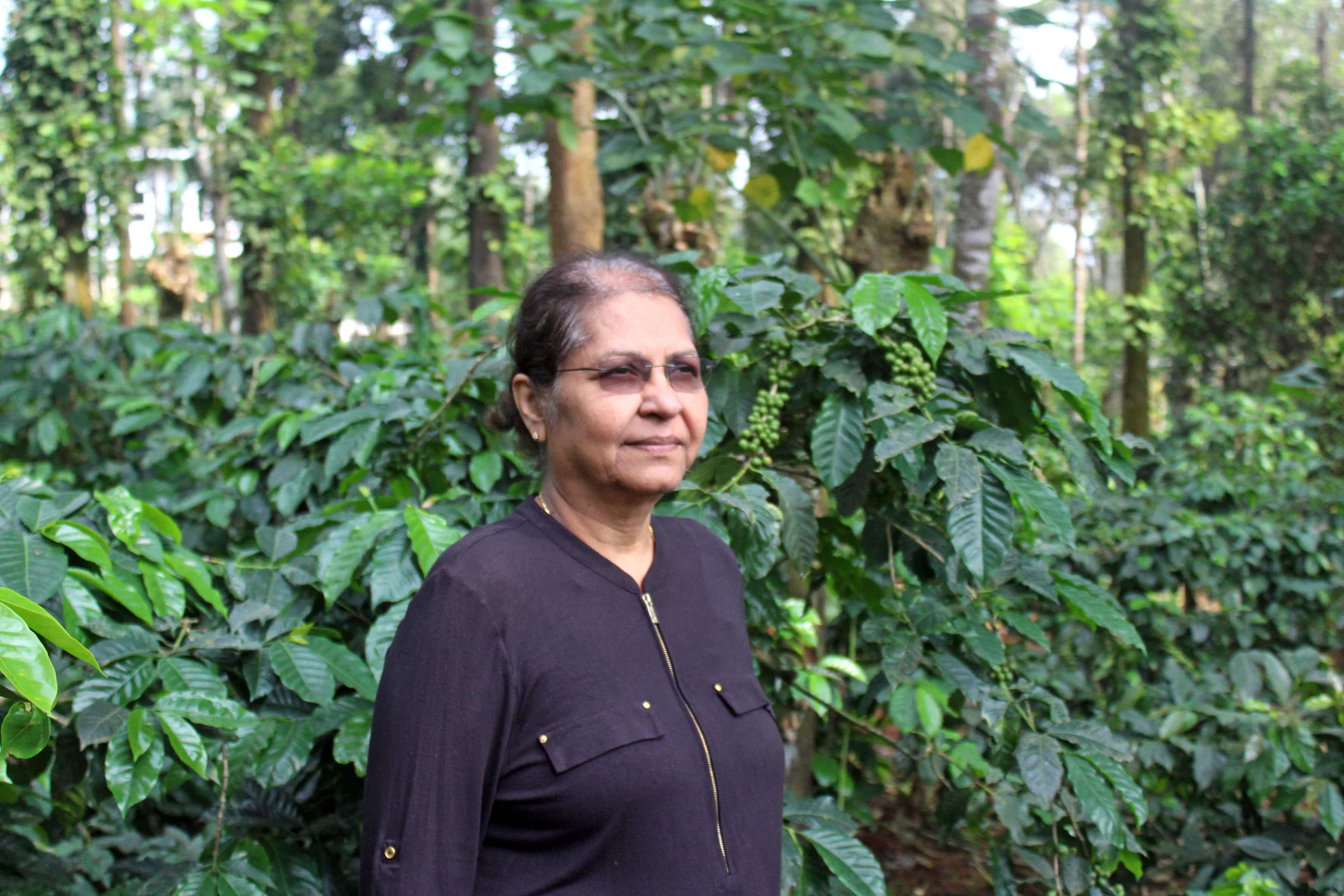
Tucked away in the lush highlands of Aldur, Chikmagalur, Amruthavarshini Estate is a women-led coffee farm operating at elevations of 3700–4000 feet above sea level. Managed by mother-daughter duo Poornima and Tanya Jairaj, the estate is known for its commitment to quality, sustainability, and social impact.

With a background in banking, venture capital, and education, Poornima Jairaj made the shift to coffee farming in the early 2000s, bringing a passion for meaningful, community-driven work to the land. Her daughter Tanya, with expertise in sustainability and social development, plays a key role in ensuring the estate aligns with regenerative and ethical practices.

Named after the Carnatic raga Amruthavarshini—a symbol of rain and nourishment—the estate reflects its connection to nature, from monsoon-fed springs and forest canopies to its vibrant agroforestry system. Shade-grown Arabica and Robusta varieties thrive among fruit trees like mango, jackfruit, and pomelo, as well as native species such as teak and rosewood.

The estate prioritises sustainable methods, utilising solar-powered infrastructure, eco-friendly processing equipment, and composting from a small dairy to enrich soil health. Over the past decade, coffee expert Sunalini Menon has guided the estate in refining its post-harvest processes, helping produce consistently high-quality lots for the specialty market.

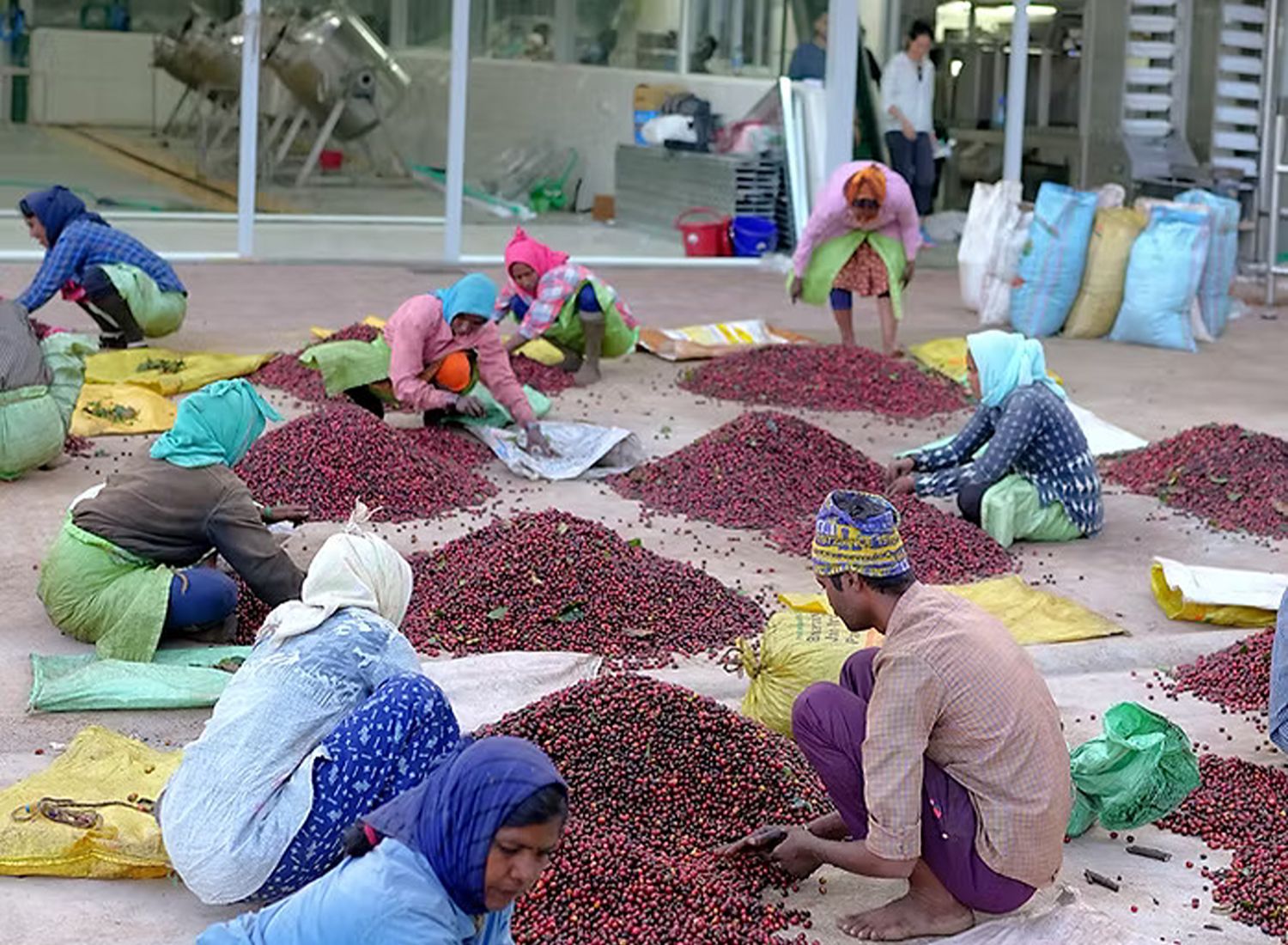
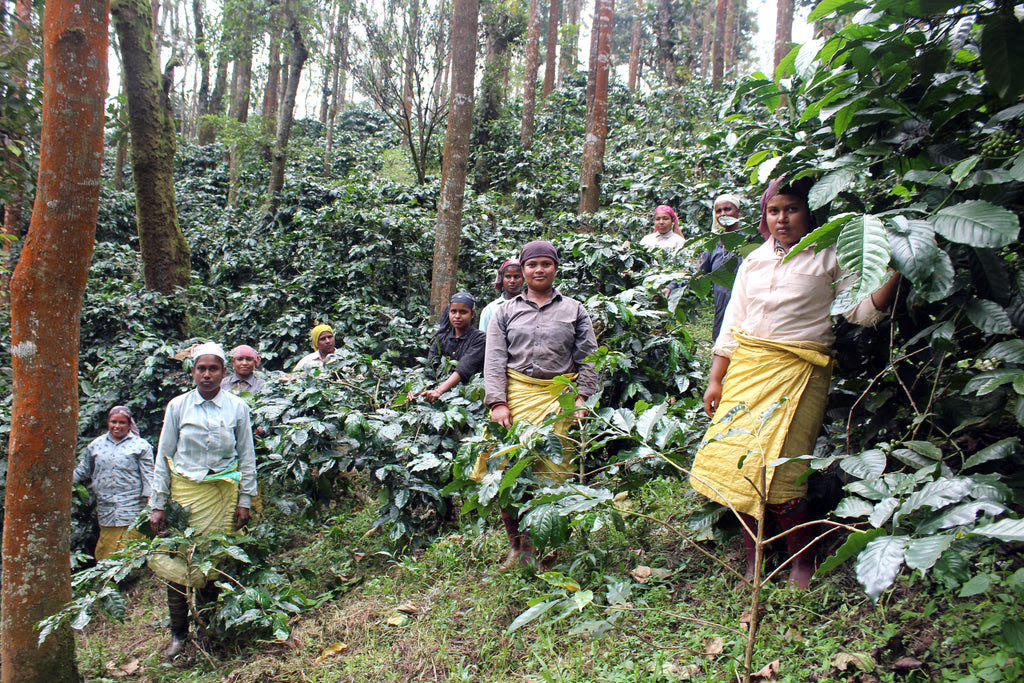
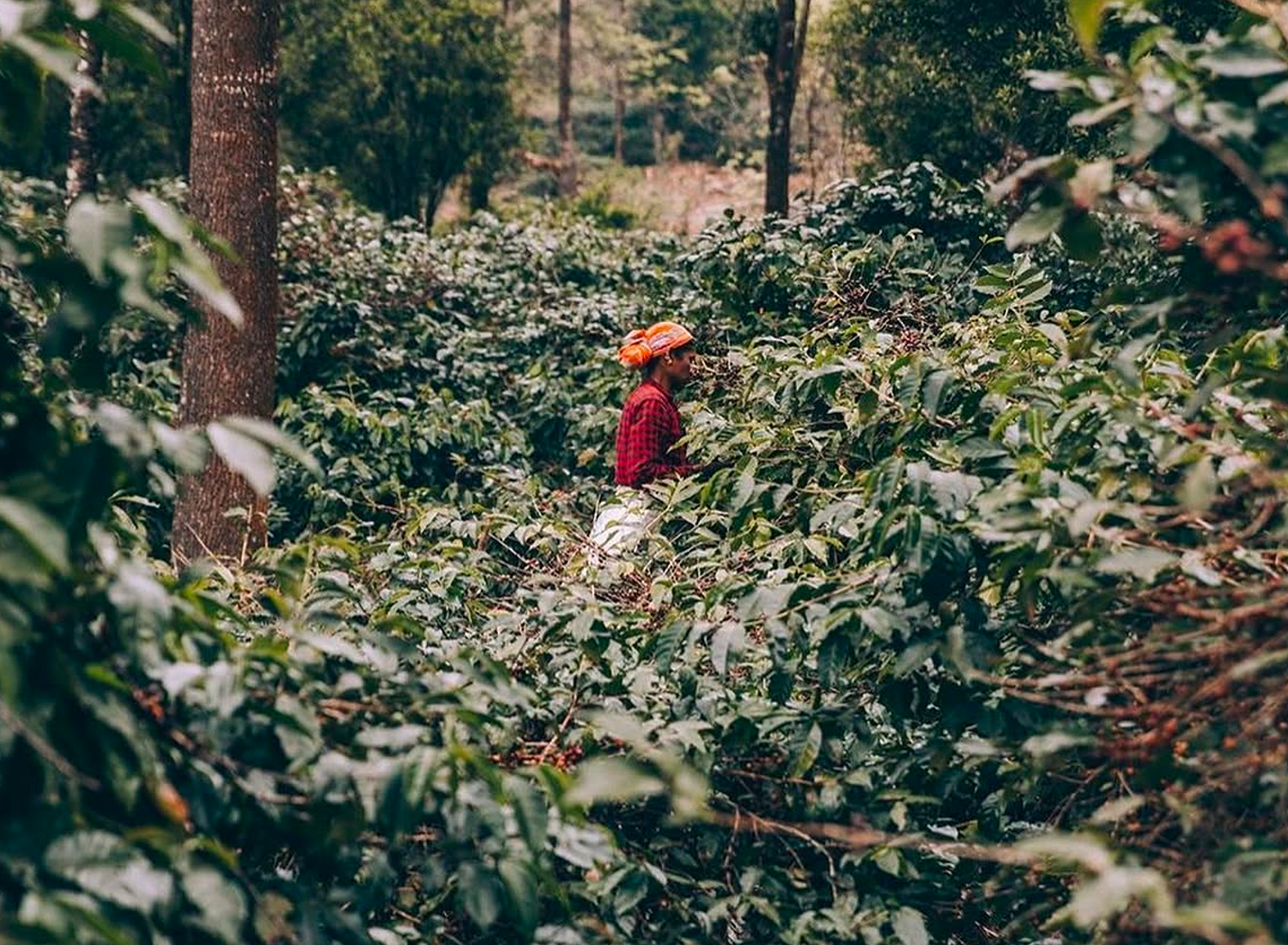
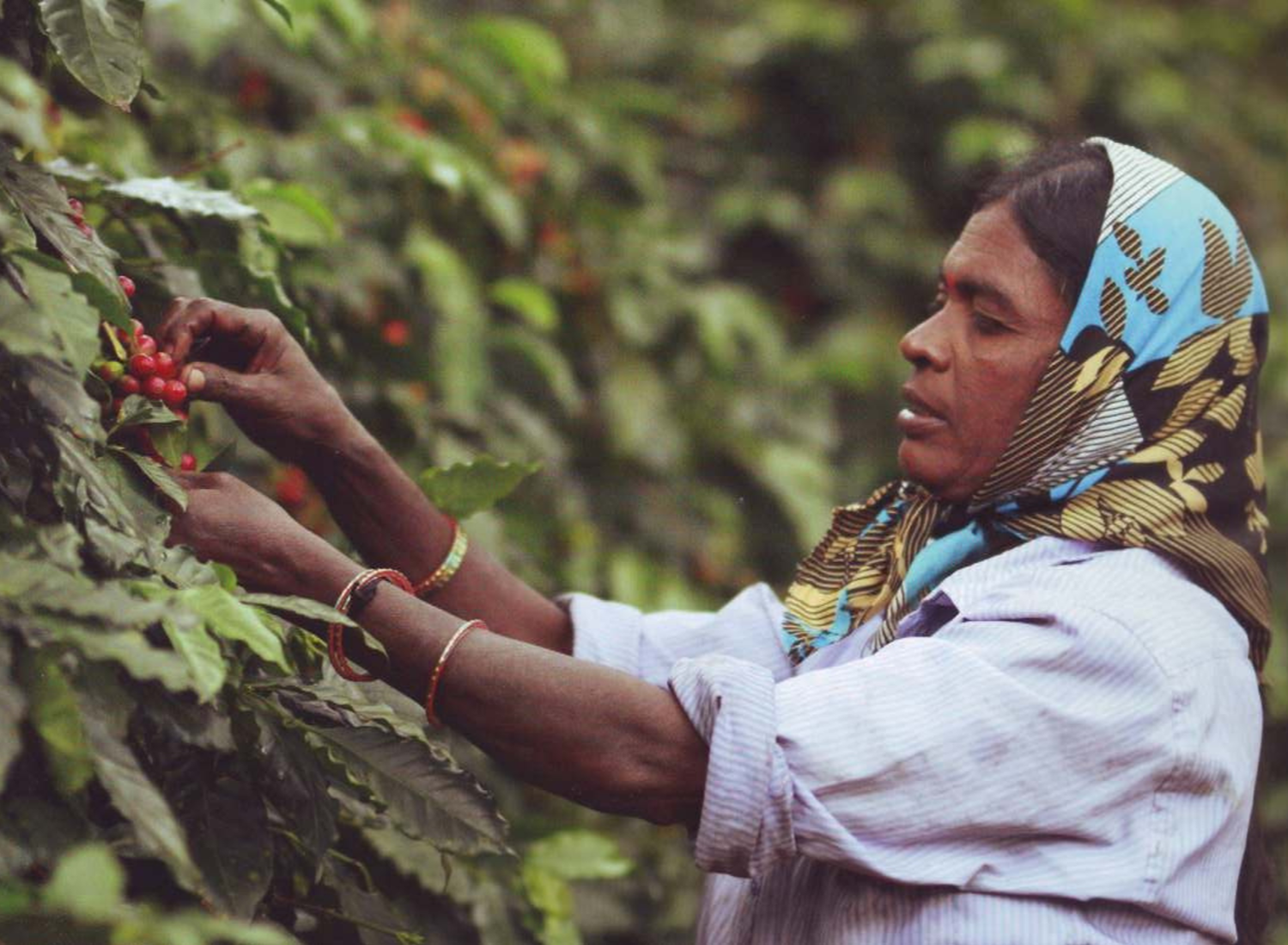
At the heart of the estate’s success are the skilled women harvesters, or mahilé, who hand-pick only the ripest cherries with care and precision. With over two decades of women-led stewardship, Amruthavarshini stands as a model for progressive, inclusive, and environmentally conscious coffee cultivation in India.